


From Fitment to the Finish Line: Automotive eCommerce Lessons from AAPEX and SEMA 2026
17 Nov 2026
 Chloe Lapina
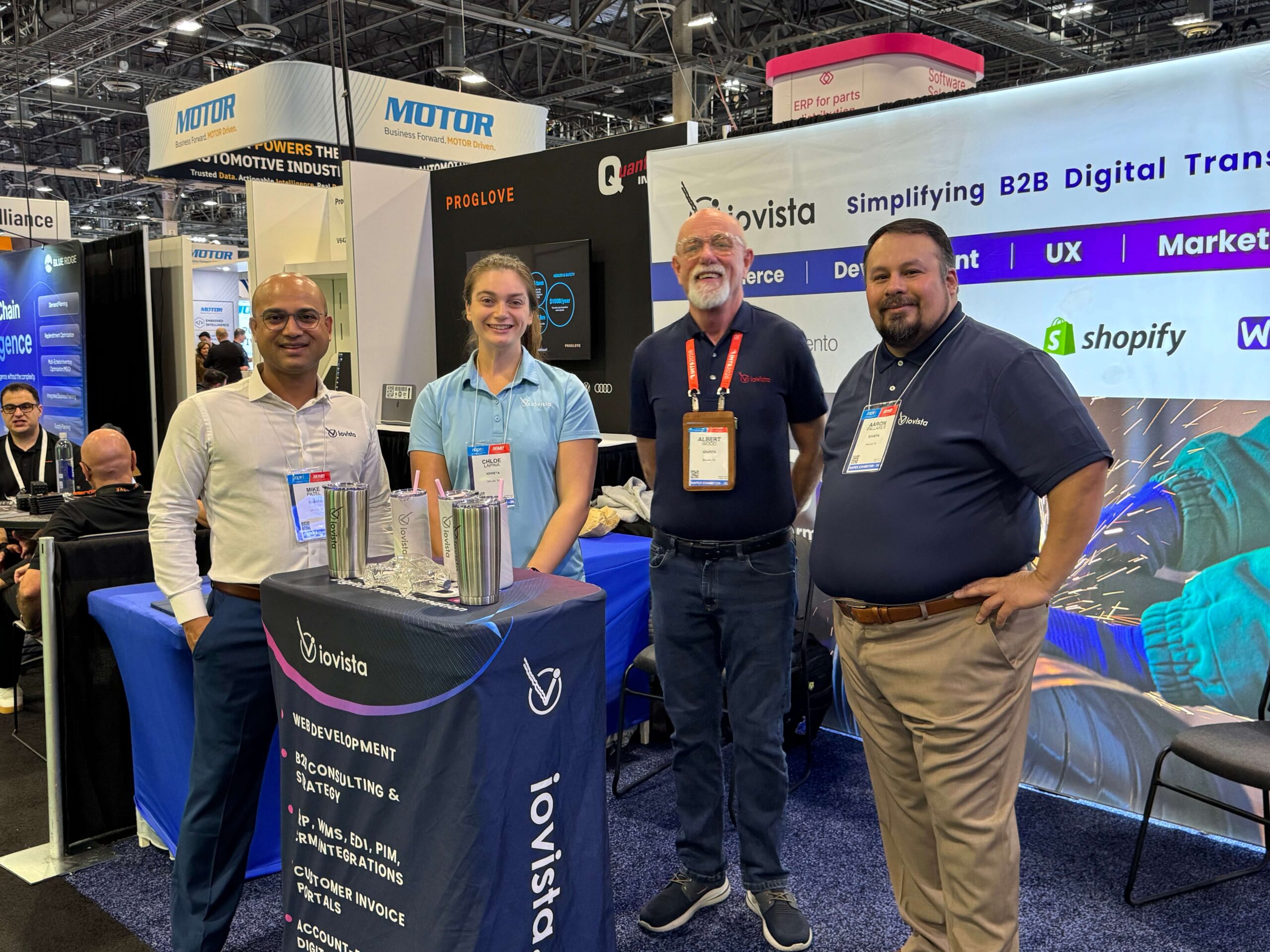
Las Vegas during AAPEX and SEMA moves fast.
There are early mornings, packed show floors, impressive builds around every corner, and enough conversations to make your voice need a tune-up by the end of the week.
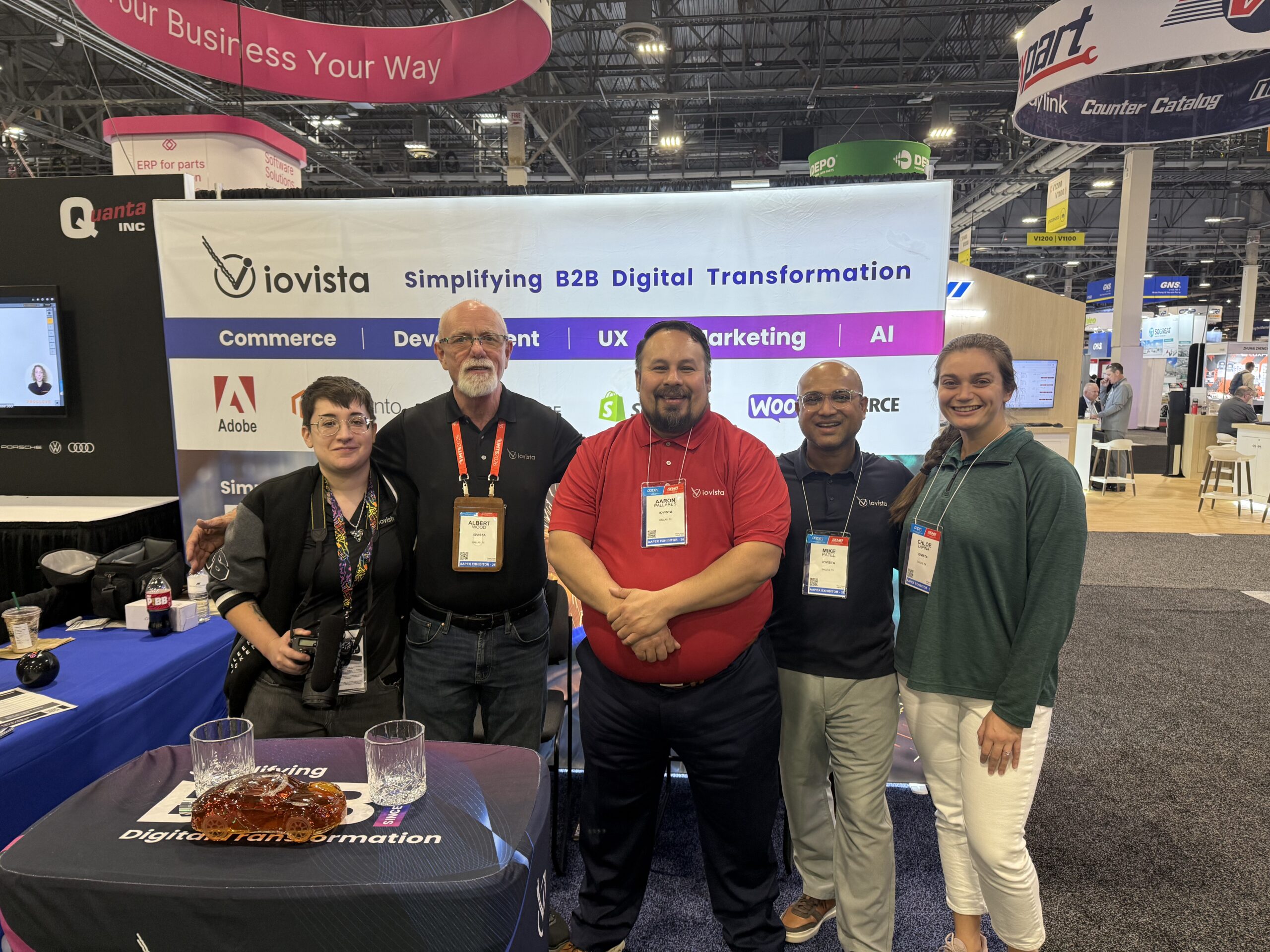
This year, ioVista was proud to exhibit at AAPEX, where we met with automotive manufacturers, distributors, retailers, clients, and technology partners throughout the three-day show. Our team also attended SEMA, giving us an even broader look at the products, technology, and commerce trends shaping the automotive aftermarket.
We saw plenty of horsepower, innovation, and incredible vehicles. More importantly, we had honest conversations about what is happening under the hood of automotive eCommerce, from ACES, PIES, and fitment data to inventory synchronization, checkout limitations, global expansion, and integration health.
The Recurring Message was Clear: The storefront may be what customers see, but the systems and data behind it determine whether the entire experience runs smoothly.
There is what we heard.
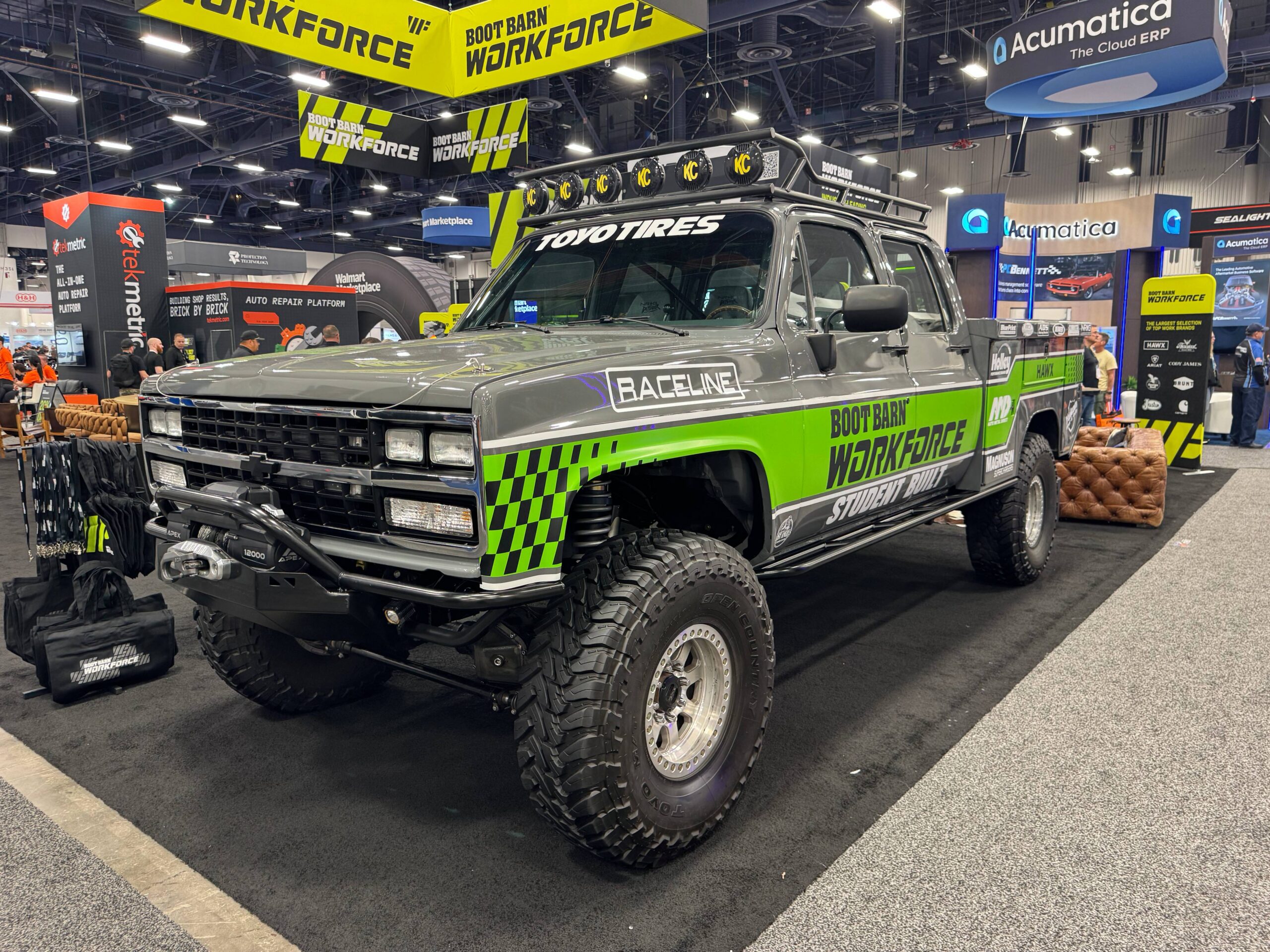
Fitment Data Still Drives the Customer Experience
Automotive customers cannot simply find a product they like. They need confidence that it will fit their vehicle.
That makes ACES, PIES, and fitment data essential to the buying journey.
ACES helps communicate which vehicles a product fits, while PIES provides the information needed to describe and sell that product. In 2026, the Auto Care Association released ACES 5.0 and PIES 8.0, continuing the industry’s push toward more accurate, flexible, and scalable product data.
When that information is incomplete or inconsistent, the entire customer experience can veer off course.
Customers hesitate. Incorrect parts get ordered. Returns increase. Support teams receive more calls. Distributors and marketplaces may receive conflicting product information.
A great-looking storefront can attract attention, but accurate fitment data is what gives customers the green light to buy.
For automotive brands, fitment should not be treated as a simple product-page feature. It must be supported by clean source data, consistent mapping, clear validation rules, and reliable distribution across every channel where the product is sold.
Inventory and SKU Issues are Creating Too Many Detours
We also heard about inventory and SKU data failing to move cleanly between storefronts, distributors, apps, and other sales channels.
One system says a product is available. Another shows a different quantity. An existing SKU doesn’t map correctly. Teams end up manually adjusting inventory, creating duplicate identifiers, or investigating why an update was not accepted.
That’s a lot of operational mileage for something that should happen automatically.
These issues can lead to overselling, fulfillment problems, missed orders, and disappointed customers. They also create additional work for the employees responsible for managing product data and resolving order exceptions.
As automotive businesses add distributors and digital sales channels, inventory synchronization cannot be left on cruise control.
Every Connection Should Have:
- Clear product and SKU mapping rules
- Defined sources of truth
- Automated monitoring and error alerts
- Retry processes for failed updates
- Documented ownership when something breaks
The goal isn’t simply to connect two systems. It’s to create a dependable flow of information that keeps working as the business grows.
Checkout Should Support How Customers Actually Pay
Another conversation that stuck with us involved payment flexibility.
A customer may be ready to place a substantial order but need to divide the total between multiple cards or payment methods. If the checkout, payment provider, or supporting workflow cannot accommodate that request, the transaction can stall at the finish line.
Sometimes a representative can create an alternative invoice. Sometimes the customer is asked to use a gift card as a workaround. Sometimes the order simply doesn’t happen.
Split payments may not be needed for every purchase, but the broader lesson applies to every eCommerce business: test the situations customers encounter in real life.
That Includes:
- Payment limits
- Financing options
- Account credit
- Tax-exempt purchasing
- Purchase orders
- Gift cards
- Multiple payment methods
The smoothest checkout isn’t necessarily the one with the fewest features. It’s the one built around how customers actually buy.
When planning a new storefront or improving an existing one, businesses should map these scenarios early. It’s much easier to design the right payment experience before a customer is waiting at checkout.
Connected Doesn’t Always Mean Healthy
Automotive businesses are selling through more channels than ever, including their own storefronts, distributors, Amazon, TikTok, and other marketplaces.
Getting connected is only the beginning.
APIs change. Apps are updated. Marketplace requirements evolve. Product fields change. Inventory feeds stop processing correctly. A connection can technically remain active while quietly delivering incomplete or outdated information.
In other words, the warning light may be on even when the engine is still running.
Healthy integrations require active monitoring, regular maintenance, and clear ownership. Someone needs to understand how each channel works, how failures are detected, and what should happen when information stops moving correctly.
Businesses Should be able to Answer:
- Are failed updates logged?
- Who receives an alert?
- Will the integration retry automatically?
- How quickly can the team identify affected products or orders?
- Who is responsible for fixing the issue?
Integrations shouldn’t simply be launched and forgotten. They need the same preventative maintenance as any other critical part of the business.
Catching Up With Our Clients
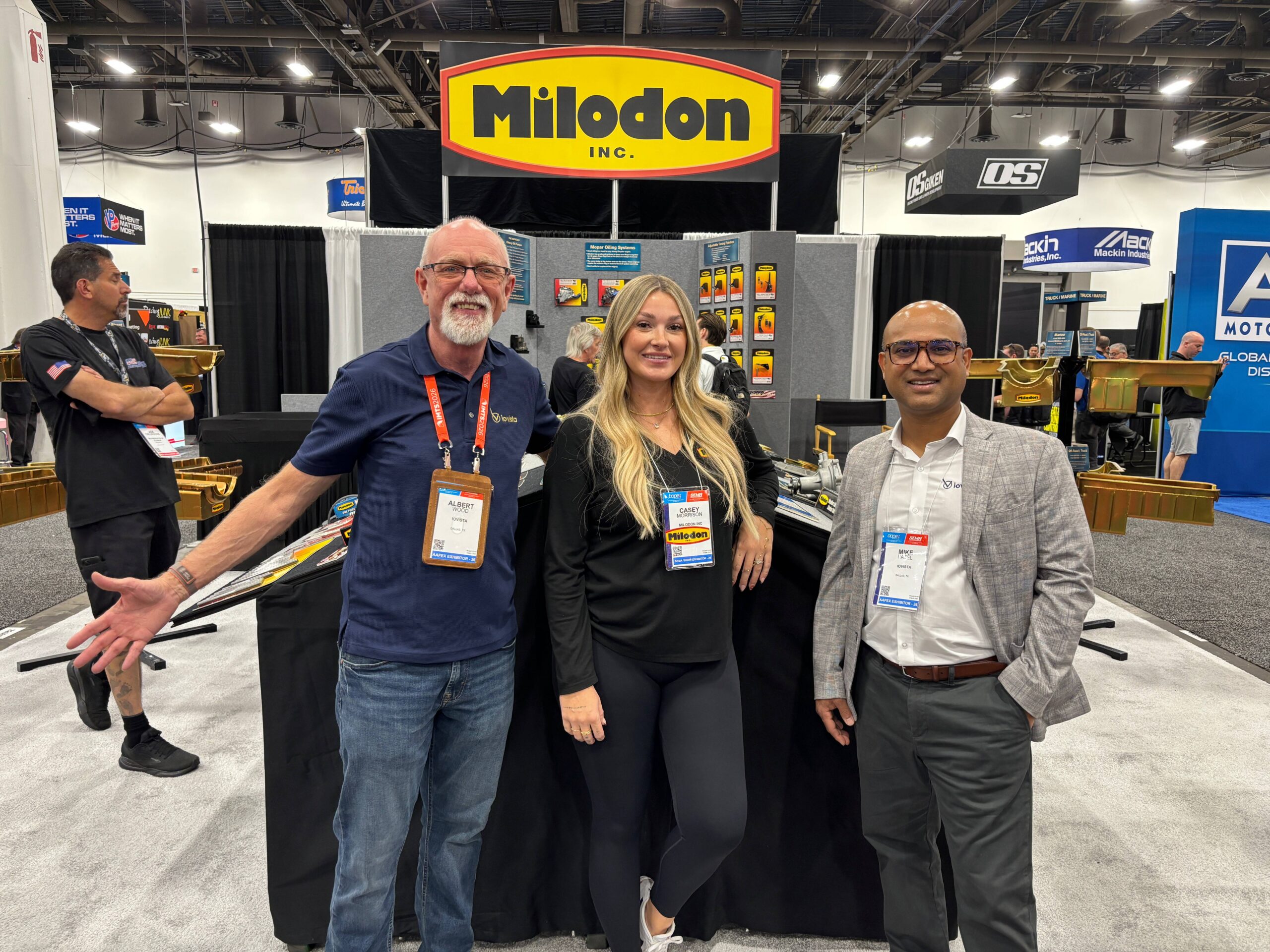
One of the best parts of AAPEX and SEMA was spending time with ioVista clients in person.
Beyond project calls and email threads, the shows gave us an opportunity to reconnect, hear what is happening inside their businesses, and discuss the opportunities and roadblocks they are seeing firsthand.
Those conversations are always valuable. They help us understand what is working, where new challenges are emerging, and how we can continue supporting each client as their commerce needs evolve.
A big thank-you to the clients who made time to meet with us in Las Vegas. It was great to catch up, talk shop, and keep planning the road ahead together.
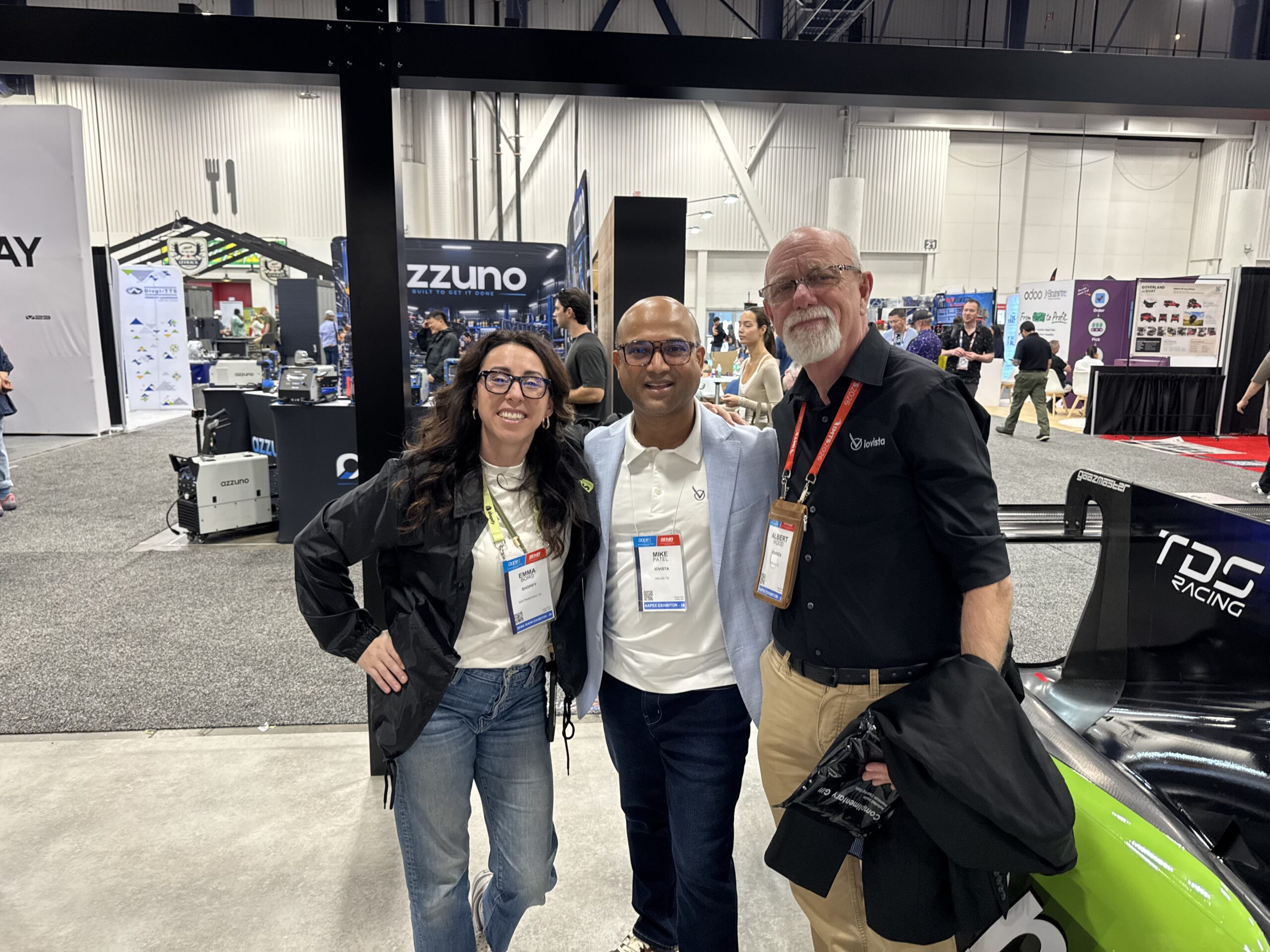
Dinner, Shopify, and More Great Conversations
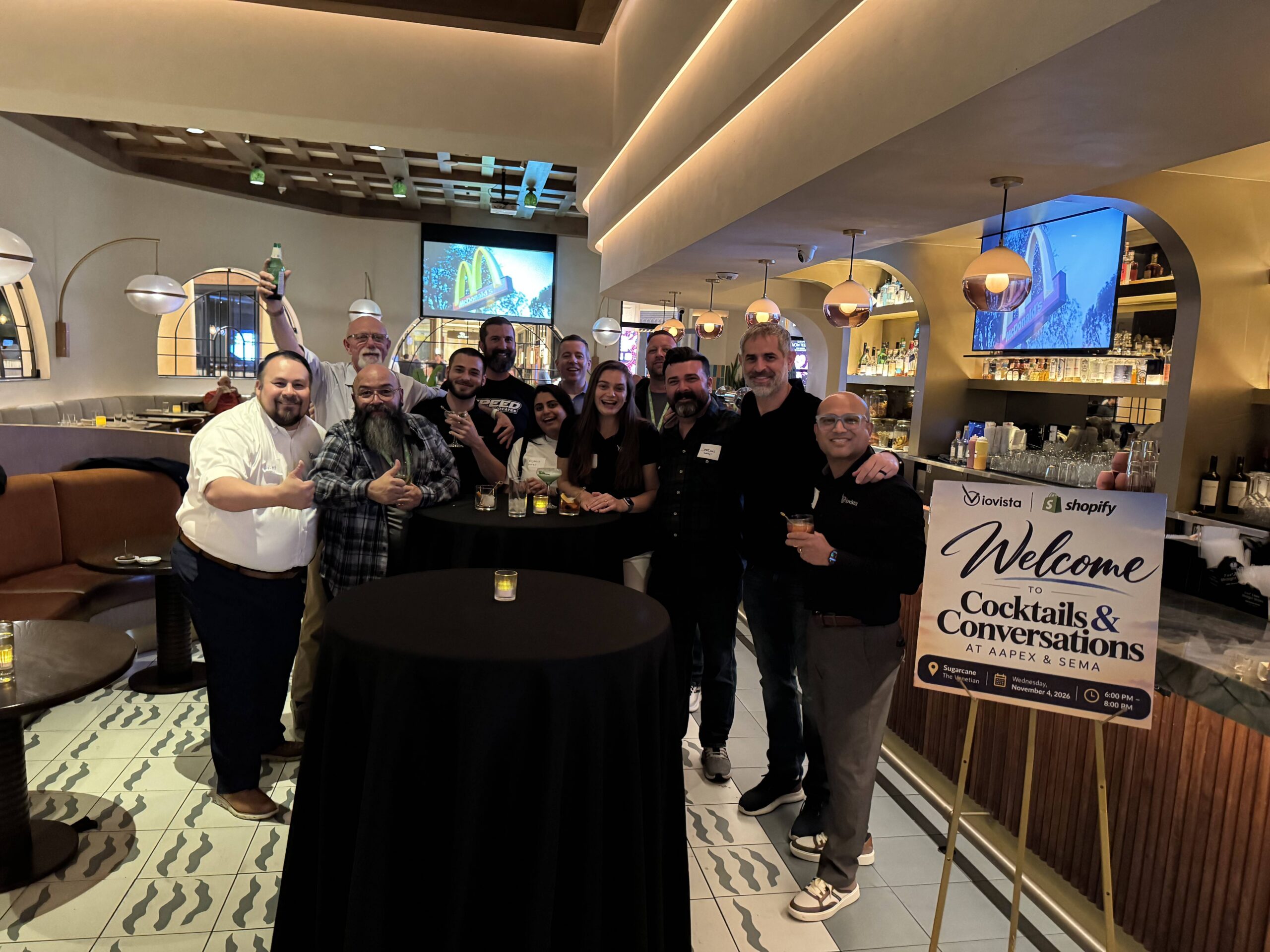
On Wednesday, November 4, 2026, ioVista hosted a dinner at SUGARCANE in partnership with Shopify.
After a full day of navigating the shows, it was a welcome opportunity to shift gears, enjoy a great meal, and continue the conversation in a more relaxed setting.
Around the table, attendees exchanged ideas about platform strategy, distributor relationships, global expansion, integrations, and the operational realities behind automotive eCommerce.
The evening was also a reminder that the best industry conversations don’t always happen during a presentation or product demo. Sometimes they happen over dinner, when people can speak honestly about what is working, what is creating friction, and what they want to improve next.
A special thank-you to Shopify and everyone who joined us for the evening. We appreciated the thoughtful conversations, new connections, and opportunity to build stronger relationships across the automotive aftermarket.
What We’re Taking Away From AAPEX and SEMA
The automotive aftermarket is moving quickly, but sustainable digital growth isn’t about adding technology for technology’s sake.
It’s About Making the Entire Commerce Engine Run Better:
- Accurate ACES, PIES, and fitment data
- Reliable inventory and SKU synchronization
- Checkout experiences designed around real buying behavior
- Scalable regional and global commerce architecture
- Healthy ERP, marketplace, distributor, and social integrations
- Clear ownership when something stops working
The storefront matters, but everything underneath it determines whether the business can keep moving forward.
Thank you to everyone who met with the ioVista team, shared a challenge, asked a thoughtful question, caught up with us between sessions, or joined us at SUGARCANE.
We returned from Las Vegas with valuable insights, exciting conversations to continue, and a few more steps on our fitness trackers than expected.
We’re already looking forward to getting back on the road and doing it all again next year.
Are You Ready to Get Your Commerce Engine Running Smoother?
If fitment data, inventory synchronization, checkout limitations, global expansion, or channel integrations are creating friction, ioVista can help you identify what is happening under the hood and build a smarter path forward.
Let’s talk about what is slowing your eCommerce operation down and what it will take to get it moving.
Talk With Our Automotive eCommerce Team
AAPEX and SEMA 2026 Gallery
Chloe Lapina


Chloe Lapina drives digital communication strategies at ioVista, combining content expertise, email marketing, and audience insights to create meaningful brand experiences across channels. She creates engaging campaigns, insightful content, and data-driven marketing initiatives that help brands strengthen customer relationships and drive business growth. With expertise in content development, audience engagement, and marketing automation, Chloe helps transform ideas into impactful digital experiences that connect with audiences across channels.
Popular Posts
-
Awards & Recognition
From Fitment to the Finish Line: Automotive eCommerce Lessons from AAPEX and SEMA 2026
Chloe Lapina
17 Nov 2026 -
Adobe Commerce
Adobe Commerce 2.4.4/2.4.5 End of Support: Upgrade or Replatform? A Decision Guide
Albert Wood
13 Nov 2026 -
-
AIO, B2B, BigCommerce, Magento, Shopify
eCommerce Platform Migration SEO: Shopify, Magento and BigCommerce URL Mapping Guide
Chloe Lapina
28 Oct 2026 -
-
Update
PHP2Shell: What eCommerce Merchants Need to Know About CVE-2026-109618 and CVE-2026-109619
Albert Wood
22 Oct 2026 -
Adobe Commerce, Update
Adobe Commerce APSB26-153: Security Risks that Require Merchant Attention
Albert Wood
14 Oct 2026 -
-
News
International Manufacturing Technology Show: What Manufacturing Taught Us About Technology, Change and the Future
Aaron Pallares
29 Sep 2026 -
B2B, BigCommerce
BigCommerce B2B Edition Explained: Features, Pricing and Fit
Mike Patel
21 Sep 2026 -
BigCommerce, Migration, Shopify
BigCommerce vs. Shopify for B2B: A 2026 Decision Guide
Albert Wood
18 Sep 2026 -
AI and ML, AIO, B2B, E-Commerce
The Role of AI in Modern eCommerce: A B2B and B2C Guide
Mike Patel
16 Sep 2026 -
Shopify
Do You Need a Shopify Agency? A Guide for Growing B2B & D2C Businesses
Aaron Pallares
14 Sep 2026 -
Update
Adobe Commerce APSB26-138: What Businesses Need to Know About the Security Update
Albert Wood
10 Sep 2026 -
Adobe Commerce
Adobe Commerce APSB26-146: Critical Security Fixes Require Urgent Action
Albert Wood
08 Sep 2026 -
Adobe Commerce, SEO
Magento 2 SEO Guide for 2026: Advanced Strategies to Boost Rankings and Performance
Albert Wood
07 Sep 2026 -
-
-
-
Shopify
When Commerce Policies Change: What Regulated Merchants Can Learn from Shopify's Vape Decision
Albert Wood
18 Aug 2026 -
Adobe Commerce
Adobe Commerce APSB26-92: Security Risks, Affected Versions, and Next Steps
Albert Wood
13 Aug 2026 -
-
News
How ShopWare and ioVista are Driving Digital Transformation in the 2A Community!
Aaron Pallares
04 Aug 2026 -
News
Why ioVista Became a Shopware Partner: Building the Future of Digital Commerce Through Innovation and Collaboration
Aaron Pallares
28 Jul 2026 -
Adobe Commerce, Magento, Update
Critical Adobe Commerce Security Update APSB26-73: Key Highlights
Mike Patel
15 Jul 2026 -
AI and ML, Google Updates
Google Marketing Live 2026: Everything You Need to Know about Google's AI Advertising Revolution
Mike Patel
16 Jun 2026 -
Adobe Commerce
Critical Adobe Commerce Security Update APSB26-49: Key Highlights
Mike Patel
15 May 2026 -
Adobe Commerce
Adobe Commerce 2.4.9 is Here: Features, Security, and Platform Enhancements
Mike Patel
15 May 2026 -
-
-
-
AI and ML, AIO, B2B
Machine-Readable B2B: The Hidden Layer that Wins AI Visibility
Mike Patel
14 Apr 2026 -
B2B
AI-Ready Catalogs: Turning Your Product Data into a Recommendation Engine
Mike Patel
09 Apr 2026 -
-
-
AIO, SEO
LLM Optimization: How Large Language Models Discover, Rank, and Cite Content
Mike Patel
26 Mar 2026 -
Migration, SEO
SEO Website Migration Checklist: Guide to Protect Your Rankings & Traffic in 2026
Mike Patel
13 Mar 2026 -
Adobe Commerce, Update
Adobe Commerce Security Update APSB26-05: Everything You Need to Know
Mike Patel
12 Mar 2026 -
AIO, SEO
LLM SEO vs GEO vs SEO: What Actually Matters for eCommerce Brands in 2026
Mike Patel
12 Mar 2026 -
Adobe Commerce
Are You Still on Adobe Commerce 2.4.6? Now is the Time to Upgrade
Mike Patel
24 Feb 2026 -
-
-
-
-
AI and ML, SEO
AI-SEO Is Changing Everything in 2026: 5 Strategies to Rank and Stay Relevant
Mike Patel
10 Dec 2025 -
-
E-Commerce
What SEMA 2025 Revealed: The Digital Transformation Race in the Automotive Aftermarket Industry
Mike Patel
20 Nov 2025 -
Adobe Commerce
Most Exciting Update: Hyvä Theme is Now Open Source and FREE
Paren Sutreja
17 Nov 2025 -
News, Shopify
Breakthrough Update: Managing Product Variants on Shopify Got Easier with 2048 Variants
Mike Patel
11 Nov 2025 -
Adobe Commerce, Update
Critical Adobe Commerce Vulnerability (CVE-2025-54236): What Merchants Need to Know
Mike Patel
27 Oct 2025 -
Adobe Commerce, Update
Adobe Commerce Security Update APSB25-94: What You Need to Know
Mike Patel
15 Oct 2025 -
Shopify
The Quiet Revolution: Why the Shopify x ChatGPT Partnership Changes Everything in eCommerce
Mike Patel
03 Oct 2025 -
Adobe Commerce
Adobe Sensei AI in eCommerce 2025: Transforming Digital Commerce
Mike Patel
19 Sep 2025 -
Adobe Commerce
Critical Adobe Commerce Security Update APSB25-88: Key Highlights
Mike Patel
10 Sep 2025 -
Shopify
Shopify API Deprecations and New Features: A Merchant's Guide to Upcoming Changes
Mike Patel
08 Sep 2025 -
AI and ML
Agentic AI for Business - Drive Success with Intelligent Automation
Mike Patel
27 Aug 2025 -
Adobe Commerce, Update
Adobe Commerce Security Update APSB25-71: Essential Security Fixes You Need to Know
Mike Patel
13 Aug 2025 -
News, Shopify
Shopify Summer Edition 2025: A Technical Insight into the Latest Update
Mike Patel
08 Aug 2025 -
-
Adobe Commerce, Magento
Adobe Commerce Security Update APSB25-50: Key Highlights
Mike Patel
11 Jun 2025 -
Adobe Commerce, B2B, E-Commerce
B2B Excellence Starts with Adobe Commerce (Magento) - Not WooCommerce
Mike Patel
03 Jun 2025 -
AI and ML, B2B, Digital Marketing, E-Commerce, Web Development
AI and ML in B2B: A Vision for the Future of Commerce by 2025
Mike Patel
27 May 2025 -
B2B, Digital Marketing, E-Commerce, Web Development
20 Next-Gen B2B eCommerce Features that will Dominate in 2025
Mike Patel
20 May 2025 -
B2B, BigCommerce, E-Commerce, Web Development
WooCommerce to BigCommerce Migration Fuels Your B2B eCommerce Growth
Mike Patel
06 May 2025 -
Adobe Commerce, E-Commerce, Migration, News, Web Development
Adobe Commerce SaaS: How Will It Empower Your eCommerce Business?
Mike Patel
22 Apr 2025 -
B2B, E-Commerce, Web Development
Leverage ERP Integration to Scale Your B2B eCommerce Business in 2025
Mike Patel
15 Apr 2025 -
Adobe Commerce, E-Commerce, Magento, News, Web Development
Adobe Commerce Security Update APSB25-26: All You Need to Know
Mike Patel
10 Apr 2025 -
Adobe Commerce, E-Commerce, Magento, News, Web Development
Adobe Commerce 2.4.8 Release: Key Highlights
Mike Patel
10 Apr 2025 -
B2B, E-Commerce, Migration, Web Development
Why Scaling Business Should Migrate WooCommerce Stores to Shopify
Mike Patel
08 Apr 2025 -
Adobe Commerce, B2B, E-Commerce, Magento, Web Development
Why Does Adobe Commerce (Magento) Lead the Way of B2B eCommerce
Mike Patel
18 Mar 2025 -
B2B, Digital Marketing, E-Commerce, Web Development
Gain a Competitive Edge by Turning Obstacles into Opportunities: B2B Digital Transformation in 2025
Mike Patel
11 Mar 2025 -
AI and ML, B2B, Digital Marketing, E-Commerce, Web Development
10 Key Drivers of Digital Transformation in B2B eCommerce for 2025
Mike Patel
04 Mar 2025 -
B2B, E-Commerce, Web Development
5 Leading eCommerce Platforms to Build Scalable B2B Customer Portals
Mike Patel
25 Feb 2025 -
Google Updates, News, SEO
Google Search Ranking Volatility: All You Need to Know
Mike Patel
18 Feb 2025 -
Adobe Commerce, E-Commerce, Magento, News, Web Development
Adobe Commerce Security Update APSB25-08: All You Need to Know
Mike Patel
13 Feb 2025 -
B2B, E-Commerce, Web Development
7 Strategic Benefits of an Online B2B Customer Portal
Mike Patel
11 Feb 2025 -
B2B, E-Commerce, Web Development
What Makes a Great Online B2B Customer Portal? Top 10 Features to Know
Mike Patel
04 Feb 2025 -
B2B, E-Commerce, Web Development
Legacy B2B eCommerce Systems Slowing You Down? It's Time for Modernization
Mike Patel
28 Jan 2025 -
B2B, E-Commerce, Manufacturing, Migration, Web Development
80% of B2B Businesses Are Holding You Back by Legacy eCommerce Systems. Is Yours One of Them?
Mike Patel
15 Jan 2025 -
B2B, E-Commerce, Manufacturing, Web Development
Essential B2B Commerce Features for 2024
Mike Patel
20 Nov 2024 -
Adobe Commerce, E-Commerce, Magento, News, Web Development
Security Update Available for Adobe Commerce | APSB24-90
Albert Wood
20 Nov 2024 -
Adobe Commerce, E-Commerce, Magento, News
Why Choose Hyvä Enterprise for Your Adobe Commerce Store?
Paren Sutreja
19 Nov 2024 -
Adobe Commerce, E-Commerce, Magento, News
Security Update APSB24-73 for Adobe Commerce: Everything You Need to Know
Albert Wood
14 Oct 2024 -
Adobe Commerce, E-Commerce, Magento, News, Web Development
CosmicSting Exploit Still Poses a Threat
Albert Wood
25 Jul 2024 -
Adobe Commerce, E-Commerce, Magento, News
CosmicSting: Unauthorized XXE Vulnerability
Albert Wood
17 Jul 2024 -
Adobe Commerce, E-Commerce, Magento, News
Hyvä Theme for Magento 2: Uncover Powerful Features – Evaluate Pros and Cons
Paren Sutreja
16 Jul 2024 -
Adobe Commerce, Magento, News, Web Development
Magento 2.4.7: Explore the Newest Enhancements and Features
Albert Wood
30 Apr 2024 -
Adobe Commerce, Magento, News, Web Development
Magento 2.4.6-p5: Enhancing Stability and Security
Mike Patel
22 Apr 2024 -
-
Digital Marketing, E-Commerce, SEO
The Impact of Site Speed on eCommerce SEO Performance
Mike Patel
14 Feb 2024 -
Awards & Recognition, B2B, BigCommerce, E-Commerce, Manufacturing, Web Development
ioVista Attains B2B Specialization on BigCommerce
Albert Wood
30 Oct 2023 -
Adobe Commerce, BigCommerce, Digital Marketing, E-Commerce, Magento, SEO
5 Ways to Boost eCommerce Sales in 2024
Mike Patel
21 Sep 2023 -
Adobe Commerce, Awards & Recognition, B2B, E-Commerce, Magento, Manufacturing, Web Development
It’s Official: ioVista Has Become a Recognized Adobe Specialized Partner
Albert Wood
05 Sep 2023 -
Adobe Commerce, E-Commerce, Magento, News, Web Development
Magento 2.4.7-beta1 Release
Mike Patel
15 Aug 2023 -
-
Awards & Recognition, B2B, E-Commerce, Manufacturing, Web Development
ioVista Announced as a 2023 Local Excellence Award Winner by UpCity
Albert Wood
09 May 2023 -
Digital Marketing, E-Commerce, News
Google Analytics 4: What You Need To Know
Albert Wood
29 Mar 2023 -
Adobe Commerce, E-Commerce, Magento, News, Web Development
Adobe Commerce 2.4.6 Release
Mike Patel
13 Mar 2023 -
Adobe Commerce, E-Commerce, Magento, Web Development
Questions You Should Ask Your Magento Agency
Albert Wood
17 Feb 2023 -
B2B, Digital Marketing, E-Commerce, Manufacturing, Web Development
7 Proven Strategies to Increase B2B/Wholesale eCommerce Revenue
Mike Patel
01 Feb 2023





















Let’s work together to create outstanding digital experiences.
With 20+ years of industry experience, ioVista understands your eCommerce needs and delivers best-in-class solutions that help you gain a competitive edge.
or Call us at: +1 214-699-4391

TOP
Get in Touch