


Slow and Steady Wins the Race? Not According to Google.
23 Jun 2014
 Mike Patel


(image source: https://bit.ly/3wlrRUd)
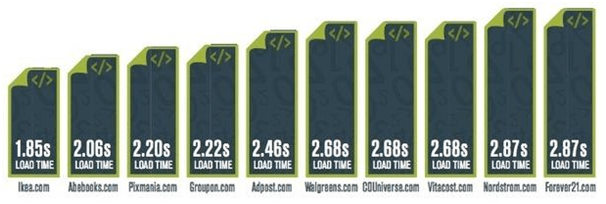
Contrary to the popular adage, “patience is a virtue,” website loading times are an exception to the rule. In today’s fast-paced world, subpar speed just won’t cut it. In order to compete against the big boy browsers within your industry, your site requires a rapid connection to drive leads and conversions.
Let’s face it: no one likes to be kept waiting – especially when it comes to website speed. Think back on how often you’ve groaned in exasperation, waiting for a finicky page to load after a few ticks of the clock’s second hand (no judgment here, we’re just as guilty). The truth is, rapid developments across the tech industry have spoiled consumers rotten. Like Eve to the beckoning apple, consumers have acquired an appetite for instant gratification – and nowadays, lagging websites are guaranteed to leave an aftertaste.
You may have heard that the average human attention span has shrunk to eight seconds. That figure is widely repeated but poorly sourced, so don’t build a strategy on it. The impatience behind it is real, though. Research commissioned by Google found that shaving just 0.1 second off mobile load times lifted retail conversion rates by 8.4 percent. All jokes aside, slow loading times are no laughing matter. In fact, they can prove downright detrimental to your cause.
How Loading Time Affects Your Bottom Line
Website speed is one of the most important elements that not only impact user experience, but also drives (or discourages) their buying decisions. Though it’s pretty wild to think something as trivial as ‘impatience’ can affect ROIs, it’s important to note that when it comes to consumer engagement, time is always of the essence.
Your website speed plays a crucial role in how consumers respond to your brand. While I hate to be the bearer of bad news here, it doesn’t matter if your site is loaded with killer graphics, or your marketing vision rivals a young Seth Godin. When it comes down to it, the second your website fails to satisfy consumer interest, that startup dream of yours can easily segue towards a financial deficit.
If you think about it, making a name for yourself within this cutthroat cyber world is really no different from the Domino Effect: every strategic move you make impacts the outcome of the whole sequence. With the right positioning, each piece successfully falls in line with the next. However, one wrong calibration and the entire structure falls short. In matters of your online presence, a miscalculation as simple as site lag can cost you much more than revenue loss; it can cost your entire reputation.
Optimization Achieves Ranking
Google has said for years that speed matters, not just to site owners but to all internet users, because faster sites make for happier visitors. Since June 2021, page experience signals built on Core Web Vitals have been part of how Google ranks pages. It is a small signal, so speed will not rescue weak content, but when two pages are otherwise equally good, the faster, more stable one has the edge. For a deeper look at how speed and search performance connect, read our guide to the impact of site speed on eCommerce SEO performance.
The bigger payoff often comes after the click. In a study commissioned by Google, 55 and Deloitte analyzed 37 brand sites and more than 30 million user sessions. Still not convinced that your loading time has an impact on ROIs? Take some time to mull over these eye-opening facts:
- The 0.1-Second Rule: A 0.1-second improvement in mobile site speed raised retail conversion rates by 8.4 percent.
- Spend More: Over the same period, retail shoppers spent 9.2 percent more.
What Google Measures Today: Core Web Vitals
Google no longer judges speed with a single number. Core Web Vitals look at three parts of the experience, and a page passes when at least 75 percent of real visits meet the “good” threshold for each.
| Metric | What it measures | “Good” threshold |
|---|---|---|
| Largest Contentful Paint (LCP) | Loading: how quickly the largest element on the page appears | 2.5 seconds or less |
| Interaction to Next Paint (INP) | Responsiveness: how quickly the page reacts to a tap, click or key press | 200 milliseconds or less |
| Cumulative Layout Shift (CLS) | Visual stability: how much content jumps around while loading | 0.1 or less |
INP replaced First Input Delay in March 2024, so older speed advice that mentions FID is out of date.
(image source: https://bit.ly/3I5t4BN)
How to Speed Up Your Site
Most slow sites share the same handful of problems. Start with these:
- Compress and resize images. Use modern formats such as WebP and load below-the-fold images lazily.
- Trim third-party scripts. Chat widgets, trackers and unused apps add weight and make pages slower to respond.
- Use caching and a CDN. Reliable hosting and cached pages get content to shoppers faster, wherever they are.
- Reserve space for images and banners. Setting dimensions up front stops the layout from jumping while the page loads.
- Test on mobile first. Most shoppers browse on phones, and mobile connections expose problems that a fast office network hides.
If you are not sure where the biggest delays are, a speed and performance audit pinpoints them. Ongoing website support and maintenance keeps new plugins and content from slowing the site down again, and eCommerce SEO ties those gains to search visibility.
Where Would Your Site Rank?
Are loading times slowing your business down? If so, it may be time to revamp your online focus in order to stay afloat in this virtual rat race. Optimize the efficacy of your website; utilize analytic tools to measure loading times, bounce rates and other performance metrics. Once you enhance your site’s speed, you can start to reap the benefits of consumer engagement and conversion rates.
Google’s free PageSpeed Insights tool and the Core Web Vitals report in Search Console show how real visitors experience your pages and which fixes to make first. Recheck your scores after every major change. Want a hand? Talk to the ioVista team.
Mike Patel


Mike Patel is the Founder and CEO of ioVista, a leading digital commerce agency specializing in eCommerce solutions. With a strong background in business and technology, Mike Patel has been at the forefront of driving digital transformations for businesses. He has successfully navigated the ever-changing landscape of eCommerce, helping companies leverage the power of online platforms to grow their brand, increase revenues, and optimize their digital presence. Under his leadership, ioVista has become a trusted partner with major technology companies: Adobe/Magento, Google, BigCommerce, Shopify, and Yahoo. He is dedicated to staying ahead of industry trends, adopting cutting-edge technologies, and continuously improving strategies to provide clients with a competitive edge. Mike’s commitment to excellence and client satisfaction is evident in every project ioVista undertakes.
Popular Posts
-
Adobe Commerce
How Can Automotive Aftermarket Brands Improve AI Search Visibility?
Albert Wood
24 Nov 2026 -
Google Updates
Up to 8% More Sales in 90 Days: How to Earn Google’s Top Quality Store Badge
Albert Wood
20 Nov 2026 -
Adobe Commerce, BigCommerce, Magento
Black Friday 2026 Readiness Checklist for Adobe Commerce, Shopify, BigCommerce & Shopware
Albert Wood
18 Nov 2026 -
Awards & Recognition
From Fitment to the Finish Line: Automotive eCommerce Lessons from AAPEX and SEMA 2026
Chloe Lapina
17 Nov 2026 -
Adobe Commerce
Adobe Commerce 2.4.4/2.4.5 End of Support: Upgrade or Replatform? A Decision Guide
Albert Wood
13 Nov 2026 -
-
AIO, B2B, BigCommerce, Magento, Shopify
eCommerce Platform Migration SEO: Shopify, Magento and BigCommerce URL Mapping Guide
Chloe Lapina
28 Oct 2026 -
-
Update
PHP2Shell: What eCommerce Merchants Need to Know About CVE-2026-109618 and CVE-2026-109619
Albert Wood
22 Oct 2026 -
Adobe Commerce, Update
Adobe Commerce APSB26-153: Security Risks that Require Merchant Attention
Albert Wood
14 Oct 2026 -
-
News
International Manufacturing Technology Show: What Manufacturing Taught Us About Technology, Change and the Future
Aaron Pallares
29 Sep 2026 -
B2B, BigCommerce
BigCommerce B2B Edition Explained: Features, Pricing and Fit
Mike Patel
21 Sep 2026 -
BigCommerce, Migration, Shopify
BigCommerce vs. Shopify for B2B: A 2026 Decision Guide
Albert Wood
18 Sep 2026 -
AI and ML, AIO, B2B, E-Commerce
The Role of AI in Modern eCommerce: A B2B and B2C Guide
Mike Patel
16 Sep 2026 -
Shopify
Do You Need a Shopify Agency? A Guide for Growing B2B & D2C Businesses
Aaron Pallares
14 Sep 2026 -
Update
Adobe Commerce APSB26-138: What Businesses Need to Know About the Security Update
Albert Wood
10 Sep 2026 -
Adobe Commerce
Adobe Commerce APSB26-146: Critical Security Fixes Require Urgent Action
Albert Wood
08 Sep 2026 -
Adobe Commerce, SEO
Magento 2 SEO Guide for 2026: Advanced Strategies to Boost Rankings and Performance
Albert Wood
07 Sep 2026 -
-
-
-
Shopify
When Commerce Policies Change: What Regulated Merchants Can Learn from Shopify's Vape Decision
Albert Wood
18 Aug 2026 -
Adobe Commerce
Adobe Commerce APSB26-92: Security Risks, Affected Versions, and Next Steps
Albert Wood
13 Aug 2026 -
-
News
How ShopWare and ioVista are Driving Digital Transformation in the 2A Community!
Aaron Pallares
04 Aug 2026 -
News
Why ioVista Became a Shopware Partner: Building the Future of Digital Commerce Through Innovation and Collaboration
Aaron Pallares
28 Jul 2026 -
Adobe Commerce, Magento, Update
Critical Adobe Commerce Security Update APSB26-73: Key Highlights
Mike Patel
15 Jul 2026 -
AI and ML, Google Updates
Google Marketing Live 2026: Everything You Need to Know about Google's AI Advertising Revolution
Mike Patel
16 Jun 2026 -
Adobe Commerce
Critical Adobe Commerce Security Update APSB26-49: Key Highlights
Mike Patel
15 May 2026 -
Adobe Commerce
Adobe Commerce 2.4.9 is Here: Features, Security, and Platform Enhancements
Mike Patel
15 May 2026 -
-
-
-
AI and ML, AIO, B2B
Machine-Readable B2B: The Hidden Layer that Wins AI Visibility
Mike Patel
14 Apr 2026 -
B2B
AI-Ready Catalogs: Turning Your Product Data into a Recommendation Engine
Mike Patel
09 Apr 2026 -
-
-
AIO, SEO
LLM Optimization: How Large Language Models Discover, Rank, and Cite Content
Mike Patel
26 Mar 2026 -
Migration, SEO
SEO Website Migration Checklist: Guide to Protect Your Rankings & Traffic in 2026
Mike Patel
13 Mar 2026 -
Adobe Commerce, Update
Adobe Commerce Security Update APSB26-05: Everything You Need to Know
Mike Patel
12 Mar 2026 -
AIO, SEO
LLM SEO vs GEO vs SEO: What Actually Matters for eCommerce Brands in 2026
Mike Patel
12 Mar 2026 -
Adobe Commerce
Are You Still on Adobe Commerce 2.4.6? Now is the Time to Upgrade
Mike Patel
24 Feb 2026 -
-
-
-
-
AI and ML, SEO
AI-SEO Is Changing Everything in 2026: 5 Strategies to Rank and Stay Relevant
Mike Patel
10 Dec 2025 -
-
E-Commerce
What SEMA 2025 Revealed: The Digital Transformation Race in the Automotive Aftermarket Industry
Mike Patel
20 Nov 2025 -
Adobe Commerce
Most Exciting Update: Hyvä Theme is Now Open Source and FREE
Paren Sutreja
17 Nov 2025 -
News, Shopify
Breakthrough Update: Managing Product Variants on Shopify Got Easier with 2048 Variants
Mike Patel
11 Nov 2025 -
Adobe Commerce, Update
Critical Adobe Commerce Vulnerability (CVE-2025-54236): What Merchants Need to Know
Mike Patel
27 Oct 2025 -
Adobe Commerce, Update
Adobe Commerce Security Update APSB25-94: What You Need to Know
Mike Patel
15 Oct 2025 -
Shopify
The Quiet Revolution: Why the Shopify x ChatGPT Partnership Changes Everything in eCommerce
Mike Patel
03 Oct 2025 -
Adobe Commerce
Adobe Sensei AI in eCommerce 2025: Transforming Digital Commerce
Mike Patel
19 Sep 2025 -
Adobe Commerce
Critical Adobe Commerce Security Update APSB25-88: Key Highlights
Mike Patel
10 Sep 2025 -
Shopify
Shopify API Deprecations and New Features: A Merchant's Guide to Upcoming Changes
Mike Patel
08 Sep 2025 -
AI and ML
Agentic AI for Business - Drive Success with Intelligent Automation
Mike Patel
27 Aug 2025 -
Adobe Commerce, Update
Adobe Commerce Security Update APSB25-71: Essential Security Fixes You Need to Know
Mike Patel
13 Aug 2025 -
News, Shopify
Shopify Summer Edition 2025: A Technical Insight into the Latest Update
Mike Patel
08 Aug 2025 -
-
Adobe Commerce, Magento
Adobe Commerce Security Update APSB25-50: Key Highlights
Mike Patel
11 Jun 2025 -
Adobe Commerce, B2B, E-Commerce
B2B Excellence Starts with Adobe Commerce (Magento) - Not WooCommerce
Mike Patel
03 Jun 2025 -
AI and ML, B2B, Digital Marketing, E-Commerce, Web Development
AI and ML in B2B: A Vision for the Future of Commerce by 2025
Mike Patel
27 May 2025 -
B2B, Digital Marketing, E-Commerce, Web Development
20 Next-Gen B2B eCommerce Features that will Dominate in 2025
Mike Patel
20 May 2025 -
B2B, BigCommerce, E-Commerce, Web Development
WooCommerce to BigCommerce Migration Fuels Your B2B eCommerce Growth
Mike Patel
06 May 2025 -
Adobe Commerce, E-Commerce, Migration, News, Web Development
Adobe Commerce SaaS: How Will It Empower Your eCommerce Business?
Mike Patel
22 Apr 2025 -
B2B, E-Commerce, Web Development
Leverage ERP Integration to Scale Your B2B eCommerce Business in 2025
Mike Patel
15 Apr 2025 -
Adobe Commerce, E-Commerce, Magento, News, Web Development
Adobe Commerce Security Update APSB25-26: All You Need to Know
Mike Patel
10 Apr 2025 -
Adobe Commerce, E-Commerce, Magento, News, Web Development
Adobe Commerce 2.4.8 Release: Key Highlights
Mike Patel
10 Apr 2025 -
B2B, E-Commerce, Migration, Web Development
Why Scaling Business Should Migrate WooCommerce Stores to Shopify
Mike Patel
08 Apr 2025 -
Adobe Commerce, B2B, E-Commerce, Magento, Web Development
Why Does Adobe Commerce (Magento) Lead the Way of B2B eCommerce
Mike Patel
18 Mar 2025 -
B2B, Digital Marketing, E-Commerce, Web Development
Gain a Competitive Edge by Turning Obstacles into Opportunities: B2B Digital Transformation in 2025
Mike Patel
11 Mar 2025 -
AI and ML, B2B, Digital Marketing, E-Commerce, Web Development
10 Key Drivers of Digital Transformation in B2B eCommerce for 2025
Mike Patel
04 Mar 2025 -
B2B, E-Commerce, Web Development
5 Leading eCommerce Platforms to Build Scalable B2B Customer Portals
Mike Patel
25 Feb 2025 -
Google Updates, News, SEO
Google Search Ranking Volatility: All You Need to Know
Mike Patel
18 Feb 2025 -
Adobe Commerce, E-Commerce, Magento, News, Web Development
Adobe Commerce Security Update APSB25-08: All You Need to Know
Mike Patel
13 Feb 2025 -
B2B, E-Commerce, Web Development
7 Strategic Benefits of an Online B2B Customer Portal
Mike Patel
11 Feb 2025 -
B2B, E-Commerce, Web Development
What Makes a Great Online B2B Customer Portal? Top 10 Features to Know
Mike Patel
04 Feb 2025 -
B2B, E-Commerce, Web Development
Legacy B2B eCommerce Systems Slowing You Down? It's Time for Modernization
Mike Patel
28 Jan 2025 -
B2B, E-Commerce, Manufacturing, Migration, Web Development
80% of B2B Businesses Are Holding You Back by Legacy eCommerce Systems. Is Yours One of Them?
Mike Patel
15 Jan 2025 -
B2B, E-Commerce, Manufacturing, Web Development
Essential B2B Commerce Features for 2024
Mike Patel
20 Nov 2024 -
Adobe Commerce, E-Commerce, Magento, News, Web Development
Security Update Available for Adobe Commerce | APSB24-90
Albert Wood
20 Nov 2024 -
Adobe Commerce, E-Commerce, Magento, News
Why Choose Hyvä Enterprise for Your Adobe Commerce Store?
Paren Sutreja
19 Nov 2024 -
Adobe Commerce, E-Commerce, Magento, News
Security Update APSB24-73 for Adobe Commerce: Everything You Need to Know
Albert Wood
14 Oct 2024 -
Adobe Commerce, E-Commerce, Magento, News, Web Development
CosmicSting Exploit Still Poses a Threat
Albert Wood
25 Jul 2024 -
Adobe Commerce, E-Commerce, Magento, News
CosmicSting: Unauthorized XXE Vulnerability
Albert Wood
17 Jul 2024 -
Adobe Commerce, E-Commerce, Magento, News
Hyvä Theme for Magento 2: Uncover Powerful Features – Evaluate Pros and Cons
Paren Sutreja
16 Jul 2024 -
Adobe Commerce, Magento, News, Web Development
Magento 2.4.7: Explore the Newest Enhancements and Features
Albert Wood
30 Apr 2024 -
Adobe Commerce, Magento, News, Web Development
Magento 2.4.6-p5: Enhancing Stability and Security
Mike Patel
22 Apr 2024 -
-
Digital Marketing, E-Commerce, SEO
The Impact of Site Speed on eCommerce SEO Performance
Mike Patel
14 Feb 2024 -
Awards & Recognition, B2B, BigCommerce, E-Commerce, Manufacturing, Web Development
ioVista Attains B2B Specialization on BigCommerce
Albert Wood
30 Oct 2023 -
Adobe Commerce, BigCommerce, Digital Marketing, E-Commerce, Magento, SEO
5 Ways to Boost eCommerce Sales in 2024
Mike Patel
21 Sep 2023 -
Adobe Commerce, Awards & Recognition, B2B, E-Commerce, Magento, Manufacturing, Web Development
It’s Official: ioVista Has Become a Recognized Adobe Specialized Partner
Albert Wood
05 Sep 2023 -
Adobe Commerce, E-Commerce, Magento, News, Web Development
Magento 2.4.7-beta1 Release
Mike Patel
15 Aug 2023 -
-
Awards & Recognition, B2B, E-Commerce, Manufacturing, Web Development
ioVista Announced as a 2023 Local Excellence Award Winner by UpCity
Albert Wood
09 May 2023 -
Digital Marketing, E-Commerce, News
Google Analytics 4: What You Need To Know
Albert Wood
29 Mar 2023


















Let’s work together to create outstanding digital experiences.
With 20+ years of industry experience, ioVista understands your eCommerce needs and delivers best-in-class solutions that help you gain a competitive edge.
or Call us at: +1 214-699-4391

TOP
Get in Touch